Top garden maintenance near Kilburn High Road for flats
Flat living near Kilburn High Road has its perks: quick transport, a busy high street, and green space that feels a bit more precious because it is shared. But communal planters, courtyard beds, balcony pots, and tiny front gardens can slip from "pleasant" to "messy" surprisingly fast. That is where Top garden maintenance near Kilburn High Road for flats comes in. Done well, it keeps shared outdoor areas tidy, healthy, safe, and actually enjoyable to use. Done badly, it becomes one more thing neighbours debate at the bins. Not ideal.
This guide breaks down what flat-focused garden maintenance involves, how it works in practice, who benefits most, and what to look for if you are comparing services. You will also find a checklist, a comparison table, and a few real-world pointers that help you make a sensible choice without overthinking it. If you want a broader view of available work, start with the services overview and then narrow down what your building actually needs.
Table of Contents
- Why Top garden maintenance near Kilburn High Road for flats Matters
- How Top garden maintenance near Kilburn High Road for flats Works
- Key Benefits and Practical Advantages
- Who This Is For and When It Makes Sense
- Step-by-Step Guidance
- Expert Tips for Better Results
- Common Mistakes to Avoid
- Tools, Resources and Recommendations
- Law, Compliance, Standards, or Best Practice
- Options, Methods, or Comparison Table
- Case Study or Real-World Example
- Practical Checklist
- Conclusion
- Frequently Asked Questions
Why Top garden maintenance near Kilburn High Road for flats Matters
For flats, garden care is rarely just about looks. It affects how a building feels day to day. A neat courtyard, a well-trimmed hedge, or even a set of healthy pots outside the entrance can make a small space feel calmer and more cared for. That matters in dense parts of London, where outdoor space can be limited and heavily used.
There is also the practical side. Overgrown planting can block paths, hide litter, attract pests, and make communal areas less welcoming. In shaded corners, damp leaves and moss can make paving slippery. A small problem becomes a recurring one if nobody owns it. The job is not glamorous, but it is noticeable when it is missing.
In our experience, flats near busier roads often need more frequent tidying than people expect. Dust, airborne grime, wind-blown litter, and uneven sunlight all affect how a planting scheme performs. A patio that looks fine in April can feel a bit tired by late summer if it is not being maintained regularly. That is normal, not a failure. It just means the maintenance plan needs to match the site.
Expert summary: good flat garden maintenance is part appearance, part safety, and part shared responsibility. The best results come from simple routines done consistently, not from one big seasonal overhaul every so often.
How Top garden maintenance near Kilburn High Road for flats Works
Flat-specific garden maintenance usually starts with a site review. This can be a quick look at a front setback, a communal courtyard, roof terrace planters, or a small shared garden. The goal is to work out what the space needs across the seasons and how much access, storage, and disposal is available. Sounds straightforward. Sometimes it is. Sometimes there is a locked gate, no water point, and three different people who all think they manage the plants.
A proper maintenance schedule typically covers mowing if turf exists, pruning, deadheading, weeding, leaf clearance, hedge trimming, planting refreshes, watering support, and green waste removal. For flats, the service also needs to fit building rhythms. Morning-only access, quiet working times, and respect for residents are often just as important as the actual gardening. The best teams keep disruption low and leave spaces clean, not just cut back.
Where shared areas are involved, communication matters. A good provider will usually clarify the scope, frequency, and any seasonal extras before work begins. If you are comparing options, it helps to look at pricing and quotes early so you understand what is included and what is treated as an additional visit.
For many buildings, the work falls into one of three patterns:
- Routine maintenance for ongoing care every week, fortnight, or month.
- Seasonal maintenance for spring tidy-ups, summer watering support, autumn leaf clearance, and winter cut-backs.
- One-off recovery work for neglected courtyards, overgrown borders, or planters that need resetting.
Key Benefits and Practical Advantages
The obvious benefit is that the space looks better. But the better question is: what does that actually change for residents? Quite a lot, really.
- Better first impressions. Visitors notice the entrance, the bins area, and the shared planting long before they notice the details.
- Safer movement. Regular clearance helps reduce trip hazards from fallen branches, weeds through paving, wet leaves, and loose debris.
- Healthier plants. Pruning, feeding, and seasonal attention stop beds and containers from becoming patchy or stressed.
- Less resident frustration. Shared spaces can become a source of grumbling if they look neglected. Maintenance lowers that tension.
- More usable outdoor space. A tidy courtyard is more likely to be used for sitting, chatting, or simply getting some air.
- Lower long-term hassle. Small, regular tasks are usually easier and cheaper than rescuing a space that has been ignored for months.
There is also a subtle social benefit. People treat a cared-for place differently. They are a bit more likely to keep it clean, less likely to dump things there, and more likely to feel that somebody is looking after it. That sounds soft, but it is very real.
Who This Is For and When It Makes Sense
This kind of maintenance is a strong fit for:
- Leaseholders and residents' associations managing a shared outdoor area.
- Landlords and letting agents who want communal spaces to stay presentable between tenancies.
- Block managers and property managers who need reliable upkeep without micromanaging every visit.
- Converting houses with flats where a small front garden or side return is shared by several households.
- Buildings with balconies or roof terraces where planters need regular care and safe handling.
It makes sense when the space is visible, used, or likely to create issues if ignored. It also makes sense if one person is currently doing everything by hand and getting fed up. Let's face it, that happens more often than people admit.
If you are unsure whether you need full service or just occasional help, look at your space over a month. Are weeds reappearing quickly? Are planters drying out? Are leaves collecting in corners? Do residents keep asking who is meant to handle it? Those are good signs that a structured maintenance plan would help.
Step-by-Step Guidance
1. Identify the exact spaces that need care
List every area separately: front garden, rear courtyard, planted borders, entrance pots, roof terrace, and any access paths. Flat developments often have more little pockets of green than people think. A quick sketch on paper can help. Nothing fancy.
2. Decide what must be maintained and how often
Some things need weekly attention, such as watering containers in hot weather or keeping entrances tidy. Others are seasonal, like pruning shrubs or clearing autumn leaves. The key is to separate routine from occasional work so nobody expects the impossible.
3. Check access, storage, and waste handling
Can equipment be brought in easily? Is there secure access? Where will clippings and green waste go? These practical details shape the whole job. A tidy service can still become awkward if nobody has considered bin access or gate codes.
4. Match the service to the site's needs
A small courtyard with a few planters does not need the same approach as a larger shared garden. Ask for a plan that reflects the real space, not a generic package. If sustainability matters to the building, it is worth reviewing recycling and sustainability practices too.
5. Set clear expectations with residents
It helps when everyone knows what is included. For example, will the team weed beds but not replant? Will they water containers if there is a dry spell? Will hedge shaping be part of the regular visit or a separate task? Clear boundaries save awkward conversations later.
6. Review after the first few visits
After the service begins, check whether the space is improving in the way you expected. Are plants looking better? Is litter being cleared properly? Are there any access issues? This early review is often the difference between a good ongoing arrangement and one that quietly drifts.
Expert Tips for Better Results
A few simple habits make flat garden maintenance much more effective. None of them are complicated. That is the good news.
- Use the right plants for the light levels. A north-facing courtyard and a sunny roof terrace do not behave the same way. Choose accordingly.
- Keep containers on a watering plan. Pots dry out faster than borders, especially beside reflective paving or brick.
- Mulch where appropriate. A layer of mulch can suppress weeds and help retain moisture. It also makes beds look more finished.
- Prune lightly and regularly. Frequent light pruning is usually better than waiting for a plant to become unmanageable.
- Allow for seasonal changes. Spring and autumn often need more attention than the middle of winter, while summer may need watering support.
- Think about the resident experience. Quiet tools, clean edges, and tidy finishing matter in shared buildings. A neat cut is nice; a site left spotless is nicer.
One practical tip that gets missed a lot: choose plants that can cope with a bit of urban life. Wind, shade, reflected heat, and occasional neglect are part of the deal in London flats. Delicate planting can work, but only if someone is ready to keep an eye on it.
And yes, there is a bit of art to this. Not everything needs to be perfect. Sometimes "consistently decent and healthy" beats "fussy and high-maintenance".
Common Mistakes to Avoid
Most problems with shared garden care are not dramatic. They are just small oversights that pile up.
- Waiting too long between visits. Weeds and litter move fast. Gardens do too, if nobody is watching.
- Choosing a service without asking about scope. "Garden maintenance" can mean very different things from one provider to the next.
- Ignoring access and coordination. If the team cannot get in easily, the schedule will slip.
- Overplanting for the space. Too many plants in a small area can look crowded and become hard to maintain.
- Forgetting disposal of green waste. The work is not finished until the cuttings are actually cleared away.
- Not planning for dry spells. A hot week can undo months of decent planting if there is no watering plan.
Another common one: people assume somebody else is responsible. In flat buildings, that assumption can sit around for months. Then the ivy has taken over the gate and everyone is slightly embarrassed. It happens.
Tools, Resources and Recommendations
The best maintenance teams usually arrive with practical, well-kept tools suited to the site rather than one giant all-purpose kit. For flat gardens, that often means hand tools for detailed work, lightweight pruning equipment, clear bags or containers for waste, and watering tools that suit confined spaces.
For building managers and residents, the most useful "resources" are surprisingly simple:
- A basic site map showing entrances, communal beds, planters, and access points.
- A maintenance calendar with seasonal tasks and visit frequency.
- A contact point for resident queries or access instructions.
- A record of past planting changes so future work is consistent.
- Clear service notes if certain plants need special care or watering.
If you want to understand the wider company approach before booking anything, the about us page is a sensible place to start. It helps you see who you are dealing with and whether the tone feels right for your building. For trust-related details, the insurance and safety page and health and safety policy are also worth checking.
Law, Compliance, Standards, or Best Practice
For flat developments, garden maintenance is usually less about complex legal rules and more about sensible management, safety, and shared responsibility. Still, there are a few best-practice points worth keeping in mind.
First, communal areas should be maintained with resident safety in mind. That means reducing obvious hazards, keeping access routes clear, and avoiding leftover tools or debris after work. If there are steps, narrow paths, or uneven surfaces, tidy finishing matters even more.
Second, if waste is being removed, it should be handled responsibly and in line with the service arrangement. Green waste should not be left in communal bins unless that is explicitly agreed. This is where clear policies and written terms become useful. For the finer details of how a provider works, it can help to review the terms and conditions and the complaints procedure so expectations are not vague.
Third, if contractors are working in shared residential spaces, insurance and safe working practices are important. You do not need legal jargon for this. You just need confidence that people on site know what they are doing, respect the building, and leave it orderly. Quietly competent is ideal.
Finally, consider sustainability as best practice rather than a nice extra. Composting where appropriate, recycling green waste, choosing suitable planting, and avoiding unnecessary chemical use are all sensible choices in a shared London setting. If that matters to your building, the recycling and sustainability approach may help frame the conversation.
Options, Methods, or Comparison Table
Different flats need different levels of support. The right choice depends on how much green space you have, how visible it is, and how quickly it deteriorates without care.
| Method | Best for | Pros | Trade-offs |
|---|---|---|---|
| Weekly routine maintenance | Busy shared courtyards, entrance beds, high-visibility spaces | Keeps things consistently tidy; problems are caught early | Costs more than occasional visits; needs regular access |
| Fortnightly or monthly maintenance | Smaller blocks, low-growth planting, low-traffic spaces | Good balance of cost and upkeep; less disruptive | May miss rapid growth in spring or summer |
| Seasonal tidy-ups | Small gardens that mostly look after themselves | Useful for leaf clearance, pruning, and reset work | Can leave gaps between visits; not ideal for containers |
| One-off restoration | Overgrown or neglected spaces | Fast way to recover a space and set a new baseline | Not a long-term fix without follow-up maintenance |
For many flat buildings, the best arrangement is a mix: regular visits for the basics, plus seasonal work when the weather changes. Simple, not fancy. And usually that is enough.
Case Study or Real-World Example
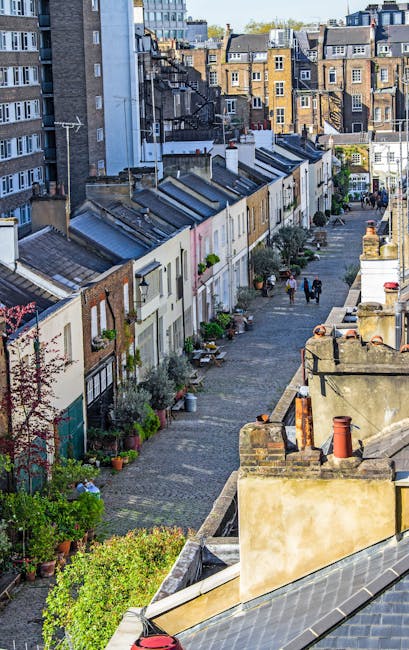
Picture a small block near Kilburn High Road with a shared entrance strip, a narrow rear courtyard, and four large planters by the front door. Nothing huge. But the kind of place where a little neglect becomes visible very quickly.
At first, the issue is just a few weeds and some tired bedding plants. Then the planters dry out because nobody is assigned to water them. Then leaves collect in the back corner, where nobody wants to sweep because it is "not really their bit". Before long, the space still functions, but nobody feels proud of it.
A better maintenance approach would start by separating the areas into simple tasks: weeding and edging at the front, leaf clearance in the courtyard, pruning and deadheading on a seasonal cycle, and regular watering support in warmer months. Once those tasks are split clearly, the space becomes manageable again.
What changed? Not one dramatic intervention. Just a workable routine, a clear scope, and a bit of follow-through. The result was a calmer-looking entrance, less resident debate, and plants that actually survived the summer. Nothing flashy. Just better.
Practical Checklist
Use this checklist before booking or renewing flat garden maintenance:
- List every shared outdoor area that needs attention.
- Decide which tasks are weekly, seasonal, or one-off.
- Check access arrangements, keys, and visitor instructions.
- Confirm whether green waste removal is included.
- Ask how watering is handled during warm spells.
- Review insurance, safety, and working practices.
- Make sure the service matches the size and condition of the space.
- Set a contact person for residents or the managing agent.
- Agree how often the work will be reviewed.
- Keep notes on any planting changes or problem areas.
If you want a practical next step, the easiest move is usually to request a clear, written quote and compare scope rather than just headline price. The details matter more than people think.
Conclusion
Top garden maintenance near Kilburn High Road for flats is really about keeping shared outdoor space usable, safe, and pleasant without creating extra work for residents. A good service understands the realities of London flat living: limited access, mixed light, small spaces, busy schedules, and the need for tidy, reliable visits.
Whether you manage a compact courtyard, a few entrance planters, or a larger communal garden, the winning formula is the same. Clear scope. Regular attention. Sensible planting. Respect for the building. Do that, and even a modest space can feel like it belongs to everyone, in the best possible way.
If you are still comparing options, take a look at the pricing and quotes page, then choose the level of support that suits your building rather than the one that sounds grandest.
Get a free quote today and see how much you can save.
And if you get the planting right, even a small patch outside the door can feel like a breath of fresh air on a busy London day. That counts for a lot.
Frequently Asked Questions
What does garden maintenance for flats usually include?
It usually covers weeding, pruning, hedge trimming, deadheading, leaf clearance, lawn care where relevant, watering support, and general tidying of shared outdoor areas. Some buildings also need planter care or seasonal planting refreshes.
How often should a flat's communal garden be maintained?
That depends on the size of the space, the planting, and how quickly it grows. Busy courtyards or entrance areas often need weekly or fortnightly attention, while smaller or slower-growing spaces may only need monthly or seasonal visits.
Is flat garden maintenance different from house garden maintenance?
Yes, quite a bit. Flat maintenance usually has more access issues, more shared responsibility, less storage, and more emphasis on keeping communal areas tidy and safe for residents. It is often as much about coordination as horticulture.
Can balcony pots and roof terrace plants be included?
They can, if the service is set up for it. Those spaces often need more precise watering, lighter equipment, and careful handling because access and weight limits may be different from ground-level gardens.
What should I ask before booking a service?
Ask what is included, how often visits happen, whether waste removal is covered, what happens in dry weather, and whether the provider is insured for residential shared spaces. It is also wise to ask how they handle complaints or issues.
Is one-off garden tidying enough for a flat block?
Sometimes it is enough to reset an overgrown space, but most shared gardens need ongoing care. One-off work can help, yet without a follow-up plan the same problems usually return. Grass does not exactly take a holiday, unfortunately.
How do I know if the service is good value?
Look beyond the headline price. A cheaper quote may exclude waste removal, seasonal pruning, or watering support. Good value usually means clear scope, reliable visits, clean finishing, and less hassle for residents.
What if residents disagree about the garden?
That is common in shared buildings. The best approach is to agree a simple maintenance plan based on safety, appearance, and practicality, rather than trying to satisfy every preference. A written scope helps reduce arguments later.
Are sustainable methods available for flat garden care?
Yes. Many buildings prefer recycling green waste, choosing hardy plants, limiting chemical use, and using mulch to retain moisture. Sustainability is often a practical choice as well as an ethical one.
Do I need to worry about safety and insurance?
Yes, especially in shared residential spaces. You want confidence that the team works safely, leaves access routes clear, and is covered appropriately for the type of work being done. That reassurance matters as much as the gardening itself.
How do I get started if our flat garden has been neglected?
Start with a clear assessment of the space, then arrange a recovery visit followed by a simple maintenance schedule. A neglected garden often improves quickly once the basics are back under control. One tidy visit can change the mood of the place quite a lot.
Where can I find more detail about the company before contacting them?
Useful starting points include the about us page, the services overview, and the contact us page if you are ready to ask questions. That gives you a better sense of fit before you commit.