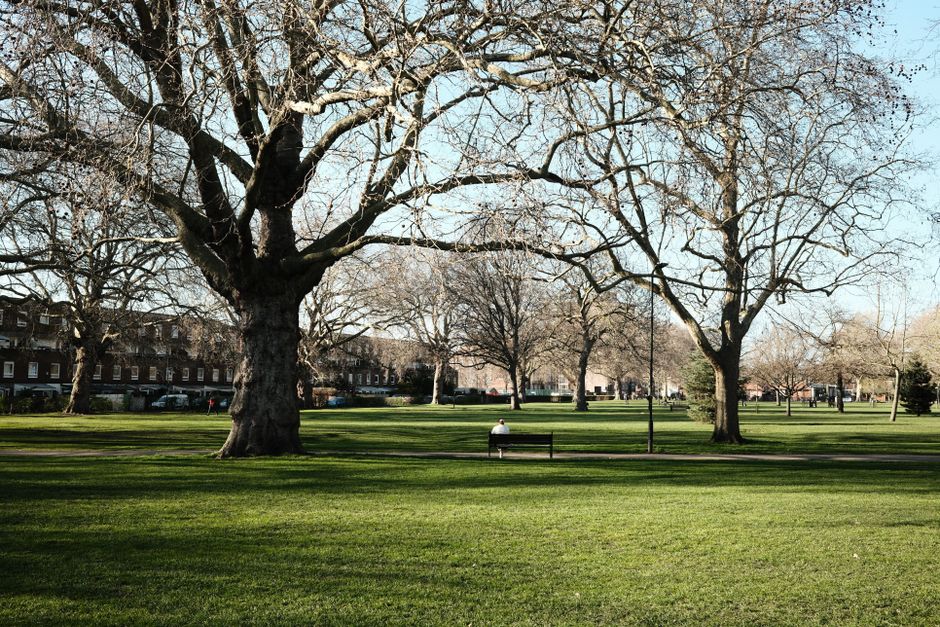
Real cost of gardeners in Kilburn Park station area
If you have ever looked at an overgrown front garden, a patchy lawn, or a hedge that seems to be winning the battle, you have probably asked the same question: what is the real cost of gardeners in Kilburn Park station area? The honest answer is that it depends on the job, the size of the space, access, timing, and how much tidying is needed before the actual gardening starts. In a busy part of London like Kilburn Park, small jobs can be surprisingly straightforward, while others need more time, more disposal, and a bit of practical planning.
This guide breaks the cost down in plain English. We will look at what drives pricing, how gardeners usually price work, what to expect for common tasks, and how to avoid paying too much for a rushed or vague quote. You will also find a comparison table, a practical checklist, and a few real-world examples so you can judge value properly, not just the headline number. Truth be told, the cheapest quote is not always the cheapest outcome.
Table of Contents
- Why Real cost of gardeners in Kilburn Park station area Matters
- How Real cost of gardeners in Kilburn Park station area Works
- Key Benefits and Practical Advantages
- Who This Is For and When It Makes Sense
- Step-by-Step Guidance
- Expert Tips for Better Results
- Common Mistakes to Avoid
- Tools, Resources and Recommendations
- Law, Compliance, Standards, or Best Practice
- Options, Methods, or Comparison Table
- Case Study or Real-World Example
- Practical Checklist
- Conclusion
- Frequently Asked Questions
Why Real cost of gardeners in Kilburn Park station area Matters
The real cost matters because garden work is rarely just "gardening" in the abstract. A tidy lawn cut is one thing; clearing a neglected border, trimming hedges, hauling waste, and leaving everything neat is another. In the Kilburn Park station area, many gardens are compact, shared, hidden behind terraced homes, or a little awkward to access. That can change the quote more than people expect.
Why does this matter so much? Because a vague price can hide the real effort. If a gardener quotes too low, the job may be rushed, limited, or padded later with add-ons. If the quote is too high, you may be paying for time you do not actually need. The sweet spot is understanding what you are buying: labour, tools, disposal, travel, and the level of finish.
There is also a bigger practical reason. Regular garden care tends to cost less over time than rescue work. A garden kept on a maintenance plan is usually simpler, faster, and less stressful than a one-off "please fix everything" visit. That is especially true in London, where even a small job can expand quickly once someone gets on site and sees the real condition.
If you want a broader view of the service structure first, the services overview is a useful starting point. And if your garden is already messy, the garden clearance service may be more relevant than a simple tidy-up.
How Real cost of gardeners in Kilburn Park station area Works
Gardeners usually price in one of three ways: hourly rates, fixed quotes, or task-based pricing. Each has pros and cons, and the right one depends on the job.
Hourly pricing is common for smaller, less predictable jobs. You pay for the time spent on site, which works well for light weeding, general tidying, or a garden where the scope is not fully known. The risk is uncertainty. If the work takes longer than expected, the final bill rises.
Fixed quotes are better when the scope is clear. For example, hedge trimming, lawn mowing on an established schedule, or a defined garden clearance can often be quoted upfront. This helps with budgeting, especially if you need to compare options carefully.
Task-based pricing is often used for repeating jobs like lawn mowing or hedge work. That is useful when the garden is in a regular cycle and the work pattern is predictable. It also makes it easier to see whether you are paying fair value for routine upkeep.
What changes the price in practice? A few things, and they matter more than people assume:
- Garden size and how much of it needs attention.
- Condition, meaning whether it is lightly untidy or properly overgrown.
- Access, such as narrow side entrances, basement-level gardens, or no nearby parking.
- Waste removal, which can add time and disposal cost.
- Tools required, especially for heavy hedge work or larger green waste.
- Urgency, because same-week or short-notice work can be priced differently.
- Frequency, since one-off jobs usually cost more per visit than regular maintenance.
For many households, the most practical route is a mix: a one-off clear-up followed by a maintenance plan. That is often better value than calling someone back every few months for the same build-up of weeds and clippings. A bit boring, maybe. But effective.
Key Benefits and Practical Advantages
Once you understand what drives the real cost, the value becomes clearer too. Hiring a gardener is not only about having a neat patch of grass. It can save time, reduce stress, and prevent small issues from turning into bigger, pricier ones.
- Better budgeting: You know where the money goes, and you can compare quotes more honestly.
- Less waste: Routine care usually means less disposal, fewer surprises, and fewer expensive tidy-up days.
- Healthier garden conditions: Regular mowing, trimming, and pruning help plants and lawns stay manageable.
- More useful outdoor space: A compact London garden can feel twice as large once it is cleared and shaped properly.
- Lower risk of damage: Proper trimming and maintenance reduce the chance of broken fences, blocked paths, or overgrowth around structures.
There is a practical emotional benefit too. A garden that looks under control changes how the whole home feels. You notice it when you step outside in the morning or when guests arrive and the space does not shout "unfinished project." Small thing, but it really does help.
If your priority is ongoing upkeep rather than a major refresh, it may be worth looking at garden maintenance as a more cost-stable option. If the lawn is the main issue, lawn mowing tends to be one of the most predictable services to price.
Who This Is For and When It Makes Sense
This topic is useful for more people than you might think. It is not only for homeowners with big back gardens. In the Kilburn Park station area, many people need garden help for modest, practical reasons.
- Busy homeowners who want their garden maintained without spending weekends doing it all themselves.
- Landlords who need outside space presentable between tenancies or inspections.
- Tenants who want to leave a place tidy and avoid awkward deposit conversations.
- Older residents who prefer reliable help with heavier or repetitive outdoor tasks.
- Small businesses or managed properties that need entrances, courtyards, or communal spaces kept neat.
- People preparing for sale who need the exterior to look cared for, not neglected.
It also makes sense if you have one of those awkward "almost manageable" gardens. You know the type: not wild, just always slightly behind. A hedge that is touching the fence line. Weeds that show up again before you have finished the first pass. A bin area that feels like it needs a small expedition. Those are exactly the jobs where a local gardener can save time and frustration.
If you are comparing wider outdoor improvements rather than routine care, the pages on landscaping and landscape gardening are relevant too, especially when the work goes beyond simple maintenance.
Step-by-Step Guidance
Here is the simplest way to work out what you should actually expect to pay, without getting lost in vague estimates.
- List the job properly. Write down what needs doing, not just "garden tidy." Include lawn cutting, hedge trimming, weeding, leaf removal, pruning, or clearance.
- Separate routine work from one-off work. A regular mow is different from clearing six months of growth. They are not in the same pricing bucket.
- Check access and disposal needs. Is there rear access? Can waste be carried out easily? Will bags need to go through the house? These details matter.
- Decide what finish you want. Basic tidy, presentable tidy, or properly polished. Be honest here, because standards affect labour time.
- Ask how the quote is built. A good quote should make it clear whether labour, materials, fuel, and waste removal are included.
- Compare like for like. Two quotes can look similar while offering very different levels of service. One may include clearance, another may not.
- Book the right service type. If the garden is heavily overgrown, use clearance rather than maintenance. If it is mainly a trim and tidy, do not pay for a full clear-up.
A real example: imagine a small back garden off a busy road near Kilburn Park Station. It is not huge, but there is a narrow side path, some ivy, a slightly wild hedge, and a lawn that has gone a bit straw-like. A gardener may price that quite differently from a flat, open courtyard garden with easy access. Same postcode, very different job.
For more detailed service comparisons, a practical look at hedge trimming can help if the hedge is the main item driving the work.
Expert Tips for Better Results
In our experience, the best way to keep gardening costs sensible is not to chase the cheapest visit. It is to make the job easier and clearer before anyone arrives.
- Take photos before booking. Good photos help avoid underquoting and awkward surprises later.
- Be specific about what stays. If you want clippings removed but pots left alone, say so early.
- Choose the right season for bigger jobs. Heavy pruning, clearance, and hedge shaping can be easier to schedule when growth is more predictable.
- Keep a simple maintenance cycle. Small, regular visits usually cost less than constant catch-up work.
- Ask about waste handling. Green waste can stack up fast. One or two bulky bags is very different from a full load.
- Use clear boundaries. Point out what is lawn, what is border, what is communal, and what should be left alone. Saves confusion. Honest truth.
Another practical tip: if you are arranging several outdoor jobs at once, ask whether they can be grouped. For instance, some people combine mowing with trimming and light clearance, which can be more efficient than splitting each task into separate visits.
And yes, ask questions. Good gardeners expect them. If a quote sounds too neat and too fast, that is your cue to slow down and check what is actually included.
Common Mistakes to Avoid
People usually overspend for one of a few simple reasons. None of them are dramatic, but they add up.
- Calling maintenance work "clearance" or vice versa. That mix-up can skew the quote and the final result.
- Ignoring access issues. A tight stairwell, shared path, or awkward parking can change the labour time noticeably.
- Forgetting waste disposal. The quote may look low until the clippings and branches have to be removed.
- Assuming all gardeners include the same level of finish. Some will mow and go; others will edge, sweep, and neaten everything properly.
- Booking on price alone. The cheaper option can be fine, of course, but only if the scope is clear and the service is actually comparable.
- Leaving the garden until it becomes a rescue job. This is the classic one. It happens. But it is the most expensive way to do things.
Here is a small but common real-world example: someone wants "just a quick cut," but the lawn is long, the borders are full of weeds, and the hedge has been left for months. That is not a quick cut. That is a half-day or more, depending on access and disposal. Naming it honestly from the start saves everyone a headache.
Tools, Resources and Recommendations
You do not need specialist knowledge to get a decent result from a gardener quote, but a few practical tools help:
- A phone camera for clear before photos.
- A simple written list of what needs doing and what should be left alone.
- Basic measurements for lawn size, hedge length, or the amount of waste you can already see.
- A budget range instead of one fixed number, so you can compare fairness rather than chase fantasy pricing.
If you are not sure which service fits your garden, the best place to start is the pricing and quotes page, because it helps frame what a proper quote should cover. For a broader understanding of what the company offers, the services overview is also useful.
There are a few service pages worth knowing about when you are deciding what kind of work you need. A lawn-focused garden may only need lawn mowing. A boundary-heavy garden may need hedge trimming. A neglected plot may need garden clearance. Picking the right type of job is half the battle, honestly.
Law, Compliance, Standards, or Best Practice
For most domestic gardening jobs, the practical question is less about formal law and more about safe, sensible working standards. Still, there are important expectations worth keeping in mind.
Gardeners working with tools, ladders, cutting equipment, or waste should follow safe working practices. That includes using suitable protective equipment, handling waste responsibly, and being careful around pets, children, neighbours, fences, and delicate planting. If tree work is involved, it is wise to treat that as a separate, higher-risk category rather than a casual add-on.
You should also expect clear communication about insurance, payment, and any limitations on the work. If a job involves climbing, heavy cutting, or removal of larger branches, it should not be treated like a simple lawn visit. That sounds obvious, but sometimes the line gets blurred in practice.
For reassurance on professionalism and process, it is reasonable to review the company's insurance and safety information and its health and safety policy. If you care about how waste is handled and how materials are managed, the recycling and sustainability approach is also worth a look.
When tree cutting is involved, do not assume it is the same as routine garden work. The tree lopping and removal service sits in a more specialist category and should be priced accordingly.
Options, Methods, or Comparison Table
Below is a simple comparison to help you see how different types of garden work usually differ in cost drivers, effort, and suitability. The exact price will vary, but the pattern is useful.
| Service type | Typical pricing style | Main cost drivers | Best for |
|---|---|---|---|
| Lawn mowing | Fixed or repeat-visit pricing | Grass height, lawn size, edging, access | Regular upkeep and neat presentation |
| Hedge trimming | Task-based or quoted after inspection | Hedge length, height, shape, waste volume | Boundary control and clean lines |
| Garden maintenance | Hourly or routine package pricing | Visit frequency, variety of tasks, season | Ongoing care and predictable budgets |
| Garden clearance | Usually quoted after viewing | Volume of waste, overgrowth, labour, disposal | Neglected gardens or move-out prep |
| Landscaping | Project quote | Materials, labour, design complexity | Structural changes and larger improvements |
The important thing here is not just the service label. It is the intensity of the work. A small hedge trim on a neat terrace garden is not the same as a full boundary cutback with bags of clippings and awkward access. Same name, different reality.
Case Study or Real-World Example
Consider a typical small London garden near Kilburn Park. It is tucked behind a terraced house, with a narrow path, a modest lawn, a hedge at the back, and borders that have gone a bit soft around the edges. Nothing extreme. Just enough to make the space look tired.
If the owner books a one-off visit, the gardener may need to mow, edge, weed lightly, trim the hedge, and remove a reasonable amount of green waste. Because the space is tight and the waste needs carrying out manually, the cost is higher than a plain mow in an open garden. Fair enough.
If the same garden is then put onto a regular schedule, the next few visits are usually easier. The hedge stays manageable, the lawn is cut before it gets long, and the borders do not become a full-day weeding session. Over time, the real cost drops because the job stops fighting back.
That is the bit many people overlook. The garden itself changes the economics. Once the work is under control, your spending often becomes steadier and more predictable. It is not magic. Just good maintenance and less panic, which is nice.
Practical Checklist
Use this before requesting a quote or booking a visit:
- List every task you want done.
- Note whether the garden is tidy, moderately overgrown, or heavily neglected.
- Check access points, gates, stairs, and parking nearby.
- Decide if waste should be removed or left on site.
- Take a few clear photos in daylight.
- Separate routine maintenance from one-off clearance.
- Ask whether edging, sweeping, and final tidy-up are included.
- Confirm whether the quote is hourly or fixed.
- Ask how large or bulky waste is handled.
- Set your budget range before you compare options.
Practical takeaway: the real cost of gardeners in Kilburn Park station area is usually less about the postcode itself and more about the condition of the garden, how easy it is to work in, and whether the job is maintenance or rescue work.
Conclusion
In the end, the real cost of gardeners in Kilburn Park station area comes down to scope, access, waste, and the level of finish you want. Once you stop comparing quotes as just a number and start comparing what is actually included, the whole thing gets much clearer. That is where people tend to save money, and avoid annoying surprises later.
If your garden has slipped a little, do not beat yourself up. It happens, especially in busy parts of London where time disappears fast. The sensible move is to reset the space properly, then decide whether you need a one-off clear-up, regular maintenance, or something more structural. A good quote should help you do that with confidence, not confusion.
Get a free quote today and see how much you can save.
And if you are still weighing up the right level of help, start small, ask the right questions, and choose the option that gives you a garden you actually enjoy using again. That calm, tidy feeling on a mild evening? Worth a lot, really.
Frequently Asked Questions
How much do gardeners usually cost in the Kilburn Park station area?
Costs vary depending on the job, but the main factors are garden size, access, the amount of overgrowth, and whether waste removal is included. A simple visit will usually cost less than a full clearance or specialist trimming job.
Is a fixed quote better than hourly pricing?
It depends on the work. Fixed quotes are usually better when the scope is clear, such as mowing or a defined hedge trim. Hourly pricing can suit unpredictable jobs, but only if you are comfortable with the final time taken.
Why do small London gardens sometimes cost more than expected?
Because small does not always mean simple. Narrow access, awkward carrying routes, shared entrances, and waste removal can increase the time needed. A tiny garden with tricky access can be more demanding than a larger open one.
What is the difference between garden maintenance and garden clearance?
Garden maintenance is ongoing care like mowing, weeding, trimming, and tidying. Garden clearance is usually a bigger one-off job for overgrown, cluttered, or neglected spaces. They are priced differently for good reason.
Do I need to be home when the gardener arrives?
Not always, but it helps for the first visit. Being there means you can show access points, explain priorities, and confirm what should stay or go. After that, some jobs can be handled more independently.
What should be included in a gardening quote?
A proper quote should explain what tasks are included, whether waste removal is covered, what level of finish you can expect, and whether the price is fixed or hourly. If something sounds vague, ask for clarification before booking.
Does hedge trimming cost more than mowing?
Usually, yes, because hedge trimming can take more time, needs more careful shaping, and often produces more waste. Height, length, and access all influence the price.
Can I save money by booking regular visits?
Often, yes. Regular maintenance keeps jobs smaller and more predictable. That usually means less labour and less waste each time, which can make the overall cost easier to manage.
What if my garden is badly overgrown?
Then a clearance-style service is usually more realistic than standard maintenance. It is better to be honest about the condition up front, because rescue work takes longer and should be priced properly.
Are gardeners responsible for taking away the waste?
Only if it has been agreed in the quote. Some gardeners include disposal, while others leave waste on site or price it separately. Always check this detail before the work starts.
How do I know if a quote is fair?
Compare what is included, not just the headline figure. A fair quote should match the size of the job, the access, the time likely required, and whether disposal or specialist tools are needed. If two quotes differ a lot, ask why.
Where can I read more about the services offered?
The most useful place to start is the services overview, then check the specific service pages that match your garden. If you need structured pricing guidance, the pricing and quotes page is also helpful.